


A must have travel guide to Ha Giang Dong Van Meo Vac
Tucked away in the far northern reaches of Vietnam, Ha Giang remains a destination for true explorers. With its winding passes, limestone peaks, and rich ethnic culture, Ha Giang offers a journey through both nature and tradition—unspoiled by mass tourism.
1. Ha Giang: An Untamed Frontier in Northern Vietnam
Located over 300 kilometers from Hanoi, Ha Giang Province borders China and boasts a raw, mountainous landscape. This region is known for its jagged limestone ranges, deep valleys, and dizzying highland passes that snake through the clouds. Ranging in altitude from 800 to 1,200 meters, Ha Giang provides not only sweeping panoramic views but also a climate ideal for year-round travel.
What makes Ha Giang truly special is its cultural depth. Home to 19 distinct ethnic minority groups including the H’Mong, Tay, Dao, and Lo Lo, the province is a living museum of Vietnam’s multicultural identity. Each group brings its own language, traditional costumes, and festivals, making Ha Giang as rich in humanity as it is in natural wonders.
2. Must-See Attractions in Ha Giang Province
2.1 Ma Pi Leng Pass
Revered as one of Vietnam’s “Four Great Passes”, Ma Pi Leng is a hair-raising road that clings to sheer cliffs above the jade-green Nho Que River. Stretching 20 kilometers, the pass offers surreal views and is a highlight of the Ha Giang motorbike loop. A stop at the Panorama Viewpoint is a must for photos that seem to defy gravity.
2.2 Dong Van Karst Plateau Geopark
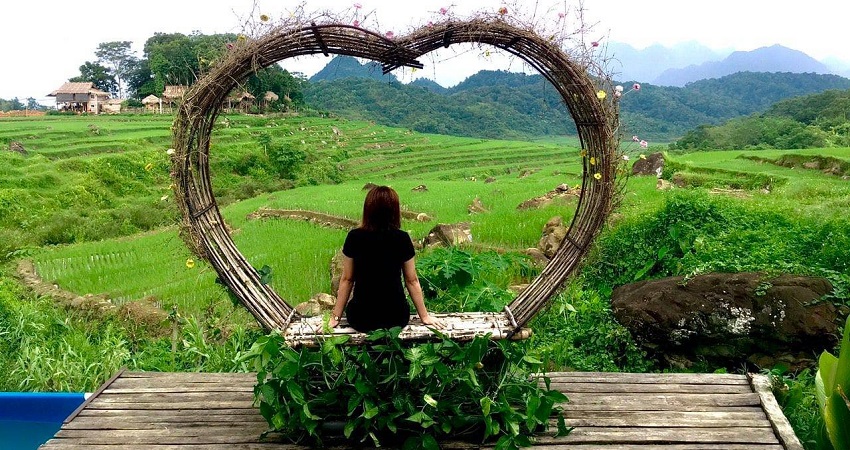
Recognized by UNESCO, the Dong Van Karst Plateau spans over 2,300 square kilometers and features rare geological formations dating back over 500 million years. Apart from its stunning rocky terrain, the area is dotted with traditional villages and terraced fields carved into the mountainsides.
2.3 Nho Que River and Tu San Canyon
A boat ride along the Nho Que River provides a serene contrast to the rugged cliffs above. As you glide through Tu San Canyon—the deepest in Southeast Asia—you’ll feel dwarfed by its vertical walls. Ideal for drone photography and peaceful reflection, this area captures Ha Giang’s untamed spirit.
2.4 Dong Van Old Quarter and Market
Step into Dong Van’s old town, where French colonial architecture meets H’Mong wooden houses. The Sunday market transforms the town into a festival of color and culture, where locals barter livestock, fabrics, and herbal medicine. It’s also a great place to try corn wine or grilled meats straight off a charcoal stove..
2.5 Lung Cu Flag Tower
At Vietnam’s northernmost point, Lung Cu Flag Tower stands proudly atop Dragon Mountain. The 54-square-meter flag flutters as a symbol of national unity, offering 360-degree views of the surrounding borderlands. The climb is steep but rewarding.
2.6 Quan Ba Heaven Gate
At over 1,500 meters above sea level, Quan Ba Heaven Gate offers an ethereal view of the Tam Son Valley and the unique “Twin Mountains.” This is the symbolic gateway into Ha Giang’s most scenic region—an ideal place to pause and breathe in the highland air.
2.7 Vuong Family Mansion
Built in the early 20th century, this fortress-like residence belonged to the H’Mong king Vuong Chinh Duc. With architecture blending Chinese, French, and indigenous influences, the mansion is both a cultural relic and an artistic masterpiece, adorned with motifs of dragons and bats.
3. Essential Travel Guide to Ha Giang, Vietnam
3.1 Best Time to Visit Ha Giang
-
Spring (Jan–Mar): Plum and peach blossoms bloom across the hills.
-
Early Summer (Apr–May): Rice terraces shimmer with water.
-
Harvest Season (Sep–Oct): Fields turn golden—a dream for photographers.
-
Buckwheat Season (Oct–Dec): Hillsides are blanketed in pastel pink flowers.
The ideal time to visit is from September to March, offering both scenic beauty and cultural festivals like Gau Tao and Khau Vai Love Market.
3.2 Getting There from Hanoi
-
By Sleeper Bus: Depart from My Dinh Bus Station; buses leave nightly and arrive in Ha Giang city early the next morning.
-
By Motorbike: Adventurous travelers can ride the Ha Giang Loop—typically 3 to 5 days—starting in Ha Giang city and circling through Dong Van, Meo Vac, and Quan Ba.
.
3.3 Local Cuisine You Shouldn’t Miss
-
Thang Co: A hearty stew of horse meat and offal seasoned with mountain spices.
-
Buckwheat Cakes (Banh Tam Giac Mach): Nutty and earthy, sold in roadside stalls.
-
Au Tau Porridge: Bitter yet nourishing, made with detoxified au tau root.
-
Five-Colored Sticky Rice: A H’Mong festive dish dyed with natural herbs.
-
Thang Den: Sweet rice balls in ginger-coconut syrup.
-
Ha Giang-Style Banh Cuon: Served with bone broth instead of fish sauce, unlike Hanoi’s version.
3.4 Travel Tips for First-Timers
-
Motorbike Safety: Check brakes and tires; use both mirrors; wear a DOT-approved helmet.
-
Dress Smart: Layers are key. Days are warm, but nights can be cold in the mountains.
-
Pack Essentials: Rain jacket, sunscreen, insect repellent, and sturdy shoes.
-
Stay Respectful: Always ask before photographing locals. A smile goes a long way.
-
Book Early: Ha Giang gets busy during flower seasons and national holidays.
4. Final Thoughts: Why Ha Giang Belongs on Your Vietnam Itinerary
Ha Giang is not just a place—it’s a feeling. A place where time slows, landscapes soar, and traditions endure. Whether you’re cruising the Ma Pi Leng Pass, sipping corn wine with a host family, or watching clouds roll over a buckwheat field, Ha Giang leaves its mark.
So if you’re seeking more than just a postcard destination—if you crave connection, challenge, and wonder—let Ha Giang show you a Vietnam that few get to see.

How to Get to Ha Giang from Hanoi: A Complete Transportation Guide
Planning a trip from Hanoi to Ha Giang? This northern province, famous for its winding mountain passes and rich ethnic heritage, is well worth the journey. Whether you’re craving the thrill of a motorbike adventure or prefer a more relaxed ride in a limousine or sleeper bus, here’s everything you need to know to reach Ha Giang safely and comfortably.
1. Ride a Motorbike from Hanoi to Ha Giang
For travelers with a spirit of adventure, traveling by motorbike offers the most immersive experience. You’ll have the freedom to stop wherever you like—be it for a photo, a roadside snack, or a breathtaking view of terraced rice fields.
Duration: Approximately 7–8 hours
Distance: Around 300 km
Suggested Motorbike Routes:
-
Route A: Hanoi → Vinh Phuc → Viet Tri → Phu Tho → Tuyen Quang → Ha Giang
-
Route B: Hanoi → Son Tay → Trung Ha Bridge → Co Tiet → Phong Chau Bridge → Doan Hung → Tuyen Quang → Ha Giang
🛣️ Tips:
-
Road conditions vary, especially near mountain sections.
-
Not ideal for beginner riders or those unfamiliar with Vietnamese traffic.
-
Make sure your motorbike is well-maintained and carry protective gear.
If you’re not fully confident on two wheels, consider taking a bus or limousine for a safer and more relaxed journey.
2. Travel by Sleeper Bus from Hanoi to Ha Giang
For most travelers, taking a sleeper bus is the most affordable and straightforward way to reach Ha Giang. Buses operate both during the day and overnight, making it easy to fit into your itinerary.
Departure Points in Hanoi:
-
My Dinh Bus Station /Gia Lam Bus Station / Yen Nghia Bus Station / Luong Yen Bus Station
Average Ticket Price: From 350,000 VND (~$15) per person per way
Travel Time: 6.5 – 8 hours
Popular Ha Giang Express Bus Operators:
-
Ha Giang Express Bus – Known for punctual service and decent sleeper cabins
-
Ha Giang Express Bus – Offers daily night departures with reclining seats
-
Ha Giang Express Bus – A reliable choice for travelers on a budget
🛏️ Pro Tip: Choose a night bus to save on accommodation and arrive in Ha Giang early in the morning—perfect for starting the Ha Giang Loop on time.
3. Book a Limousine for Extra Comfort
If you’re after a smoother, more spacious ride, VIP limousines are a step up from regular buses. These luxury vans have reclining seats, Wi-Fi, and fewer passengers, making the ride far more comfortable.
Ticket Price: Starting from 350,000 VND (~$15) per seat per way
Travel Time: 6–7 hours
Recommended Limousine Services:
-
Ha Giang Express Bus Limousine – Modern interiors, USB chargers, and pick-up from the Old Quarter, Well-rated for professionalism and punctuality
-
Ha Giang Express Bus – Luxury Van Limousine – Offers comfortable leather seating and smooth rides
🚐 Advantages: Fewer people, more space, Door-to-door pick-up available (depending on provider), Great option for small groups or families
4. Hire a Private Car (Best for Groups or Custom Itineraries)
Want to travel at your own pace? Renting a private car with a driver is ideal for families or small groups who want to stop at scenic spots or attractions along the way. This option gives you the most flexibility—perfect for photographers or travelers with specific interests.
💰 Estimated Cost: From 3,500,000 VND (~$135) per one-way trip (car for 4–7 people)
To book a private transfer or get a custom quote, feel free to contact us directly or reach out via our travel inquiry form.
Final Thoughts
From rugged motorbike rides to plush limousine seats, the journey from Hanoi to Ha Giang is an adventure in itself. Whether you’re on a shoestring budget or looking for luxury, there’s a transportation option that suits your style and schedule.