

Best Things to Do in Ha Giang, Vietnam’s Final Frontier
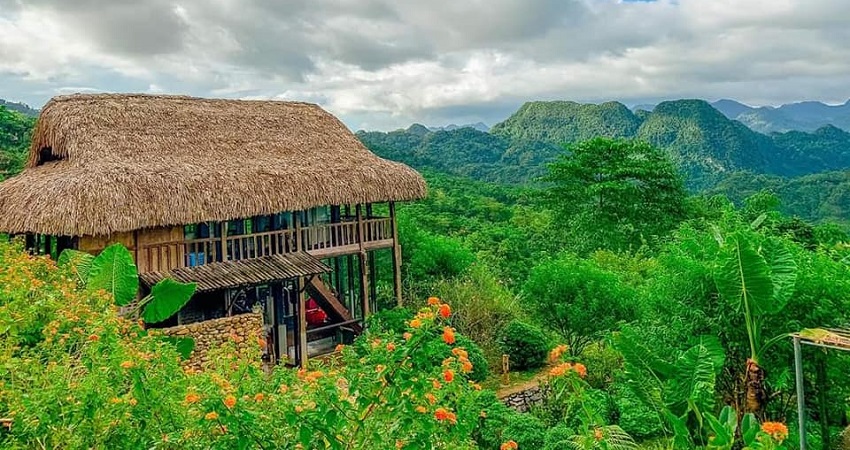
Tucked away in the remote northernmost corner of Vietnam, Ha Giang is a land of surreal landscapes, winding mountain passes, ethnic diversity, and raw, untouched beauty. Unlike the buzzing cities or tourist-heavy hotspots, Ha Giang remains authentic and wild, where traditions are preserved and nature thrives undisturbed.
For travelers seeking an off-the-beaten-path adventure, Ha Giang offers the perfect escape into Vietnam’s hidden highlands. With its towering limestone peaks, scenic rice terraces, and traditional villages, Ha Giang is a dream for motorbike riders, trekkers, and cultural explorers alike.
How to Get to Ha Giang
From Hanoi: The most common way to reach Ha Giang is by overnight bus or limousine minivan from Hanoi, a journey that takes approximately 6–7 hours. Buses depart daily from My Dinh Bus Station. For more comfort, private transfers or motorbike rentals are available.
From elsewhere in Vietnam: Fly into Hanoi, then follow the same route north. There’s currently no airport or train service to Ha Giang, which adds to its off-the-grid charm
Best Time to Visit Ha Giang
Ha Giang has four distinct seasons, each offering a different kind of beauty:
-
March to May: The weather is dry and mild. Peach and plum blossoms begin to bloom.
-
June to August: The region is lush and green, ideal for photography and exploring rice terraces in full growth.
-
September to November: This is the golden season—harvest time—when the rice terraces shine bright yellow. October is also famous for buckwheat flower season.
-
December to February: Expect cold weather and fog, but also quiet and solitude. Cherry and mustard flowers bloom in late January.
Top Things to Do in Ha Giang
1. Conquer the Ha Giang Loop
The Ha Giang Loop is a legendary motorbike route stretching over 350km, winding through mountain passes, river valleys, and ethnic villages. Most travelers complete the loop in 3 to 5 days, starting and ending in Ha Giang City. Highlights along the route include:
-
Quan Ba Heaven Gate & Twin Mountains
-
Dong Van Karst Plateau Geopark
-
Ma Pi Leng Pass – Vietnam’s most dramatic mountain road
-
Meo Vac Valley and Nho Que River
Whether by motorbike or car, this journey offers jaw-dropping views at every turn.
2. Explore Dong Van Old Quarter
Step back in time as you stroll through the narrow stone-paved lanes of Dong Van Old Town, where ancient Hmong-style houses sit quietly beneath rocky peaks. The town comes alive during the Sunday Market, when ethnic minorities gather in traditional dress to trade, socialize, and celebrate.
3. Visit Local Ethnic Markets
Ha Giang is home to over 20 ethnic groups including the Hmong, Tay, Dao, and Lo Lo. Visiting their weekly markets offers a rare glimpse into local life. Top markets include:
-
Meo Vac Market (Sunday)
-
Lung Phin Market (every 6 days)
-
Du Gia Fair Market
Colorful costumes, handmade textiles, livestock, and traditional food make these markets unforgettable.
4. Trek Through Villages and Terraced Fields
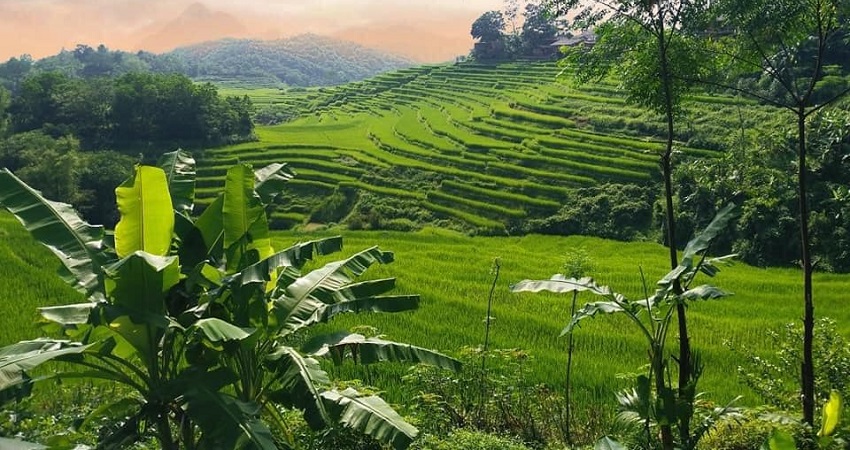
If you enjoy trekking, Ha Giang delivers. Join a guided hike through ethnic villages like Nam Dam (Dao people), Thon Tha (Tay people), or Sung La Valley, home to traditional Hmong houses and seasonal flower fields.
Don’t miss the rice terraces in Hoang Su Phi, particularly in September and October during harvest.
5. Experience Homestays with Ethnic Families
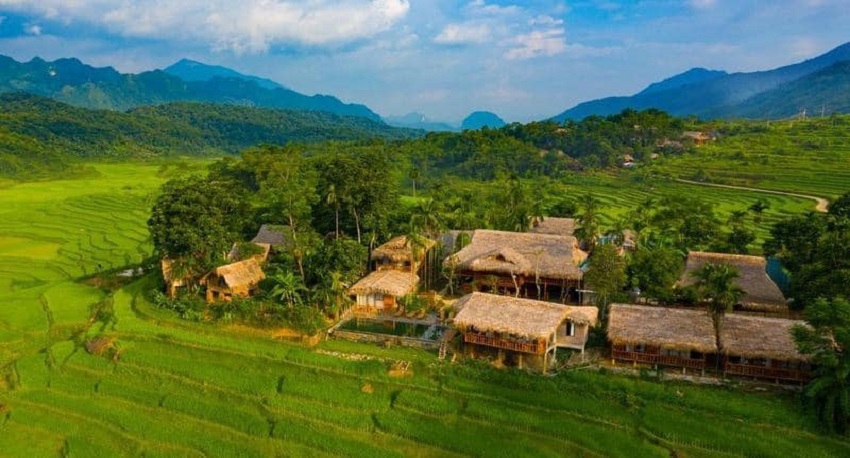
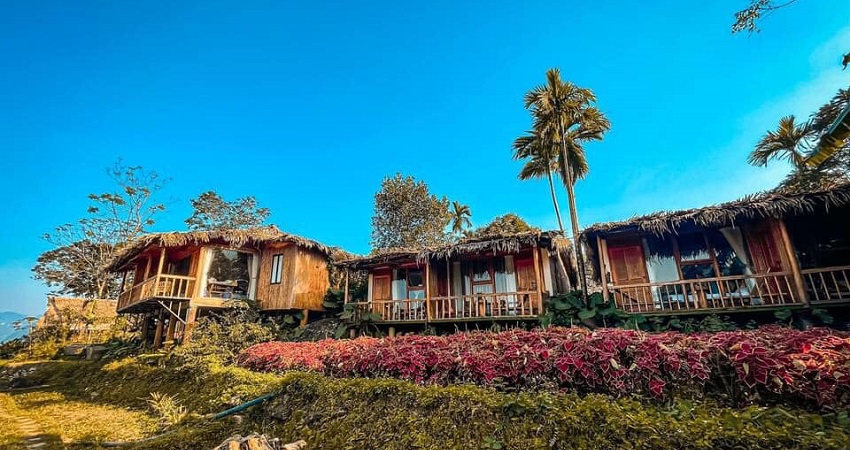
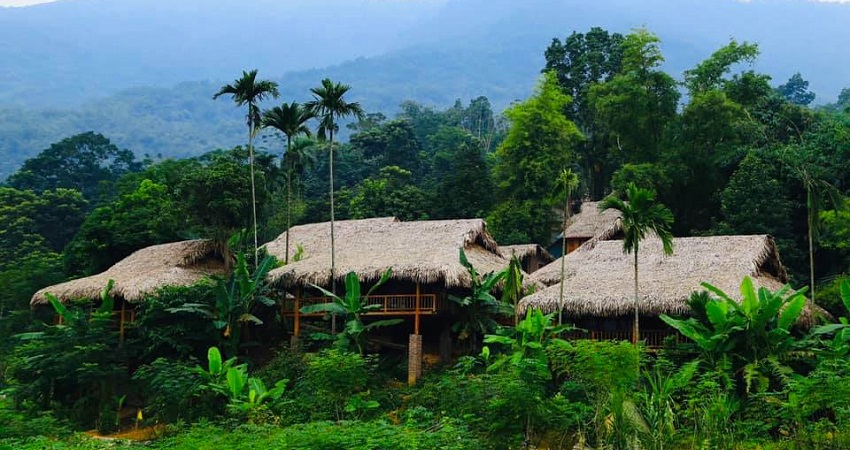
Staying in a local stilt house or clay-walled home lets you experience Ha Giang culture firsthand. Share meals, listen to local legends, try home-brewed corn wine, and witness daily routines that haven’t changed in generations.
Top homestay villages: Thon Tha (Tay), Nam Dam (Dao), Lung Cu (Hmong).
6. Climb Lung Cu Flag Tower – Northernmost Point of Vietnam
A must-see for any traveler, the Lung Cu Flagpole stands tall at Vietnam’s northern tip. Climb the 389 steps to the summit for panoramic views of the borderlands. Below the tower, visit Lo Lo Chai Village, home to the Lo Lo ethnic minority with its colorful traditional homes and unique customs.
7. Cruise the Nho Que River
For a serene contrast to rugged mountain trails, take a boat ride on the Nho Que River, gliding through the jaw-dropping Tu San Canyon, Vietnam’s deepest gorge. The emerald water against the towering cliffs creates one of the country’s most photogenic landscapes.
8. Try Local Cuisine
Ha Giang’s highland cuisine is rustic, hearty, and full of character. Must-try dishes include:
-
Thắng cố (Hmong stew)
-
Bánh cuốn trứng (egg rice rolls)
-
Mèn mén (steamed cornmeal)
-
Five-colored sticky rice
-
Smoked buffalo meat
-
Corn wine (rượu ngô)
Don’t be surprised if you’re invited for a homemade feast by your host family.
9. Join a Craft Workshop
Artisans in Ha Giang still preserve traditional crafts such as embroidery, weaving, and silver jewelry making. Participate in a workshop in villages like Lung Tam (Hmong weaving) or Nam Dam (Dao embroidery) to create your own keepsake.
10. Camp Under the Stars or Stay in Eco-Lodges
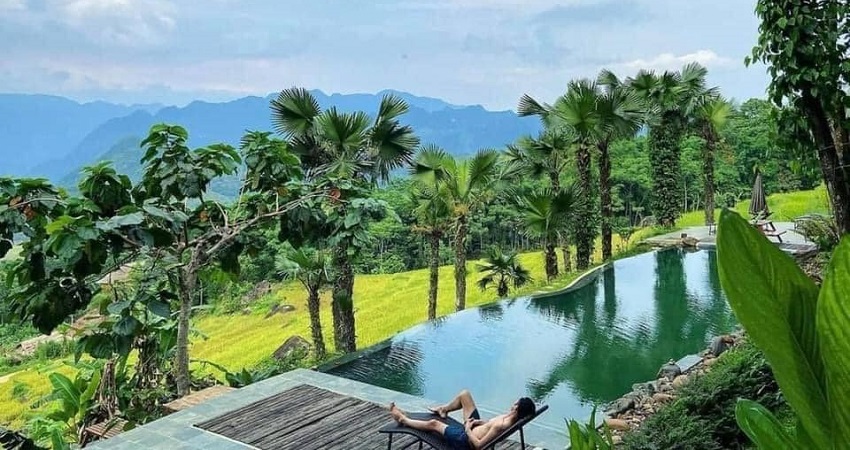
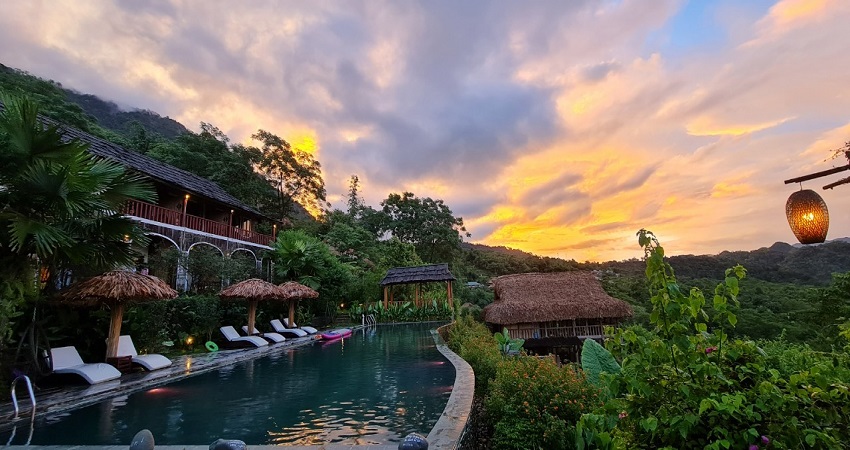
While Ha Giang remains rugged, there are charming eco-lodges and boutique homestays with comforts like hot showers and breathtaking views. For the adventurous, pitch a tent near Ma Pi Leng Pass or Tu San Canyon and stargaze from the mountain heights.
Suggested Itinerary for Ha Giang (4 Days)
Day 1: Hanoi to Ha Giang City → Thon Tha Village (overnight stay)
Day 2: Ha Giang → Quan Ba → Yen Minh → Dong Van
Day 3: Dong Van → Lung Cu → Ma Pi Leng Pass → Meo Vac
Day 4: Meo Vac → Du Gia (optional stop) → Return to Ha Giang City
Final Thoughts
Ha Giang is more than a destination—it’s a journey into the heart of Vietnam’s highlands. Every winding pass and friendly face will leave a lasting impression. Whether you’re a thrill-seeker, nature lover, or cultural enthusiast, Ha Giang offers experiences you won’t find anywhere else.