


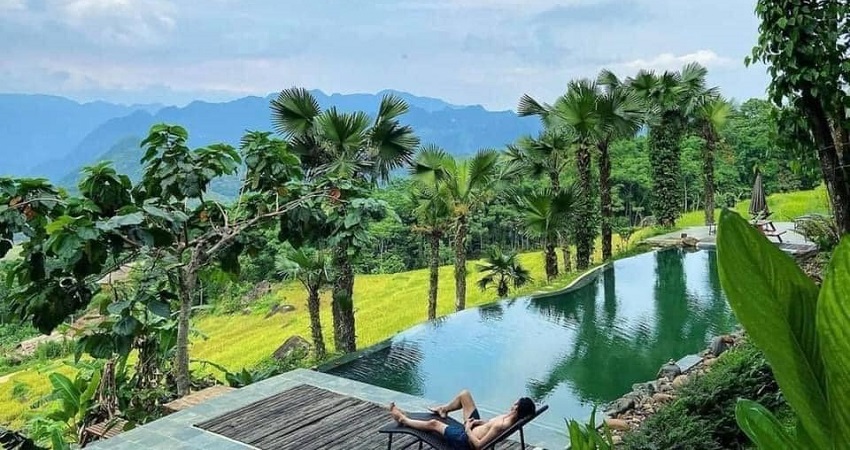
Ha Giang Travel Guide: Vietnam’s Last Frontier of Natural Beauty and Culture
Tucked away in Vietnam’s northernmost reaches, Ha Giang Province is an untamed gem—rugged, remote, and rich with cultural and scenic wonders. Towering limestone peaks, deep gorges, winding mountain passes, and centuries-old ethnic minority traditions combine to make Ha Giang one of the most rewarding destinations for true explorers.
Whether you’re chasing the thrill of the iconic Ha Giang Loop or soaking in the serenity of misty villages, this region promises an unforgettable journey. Unlike more touristy areas, Ha Giang’s authenticity is preserved in its people, landscape, and pace of life.
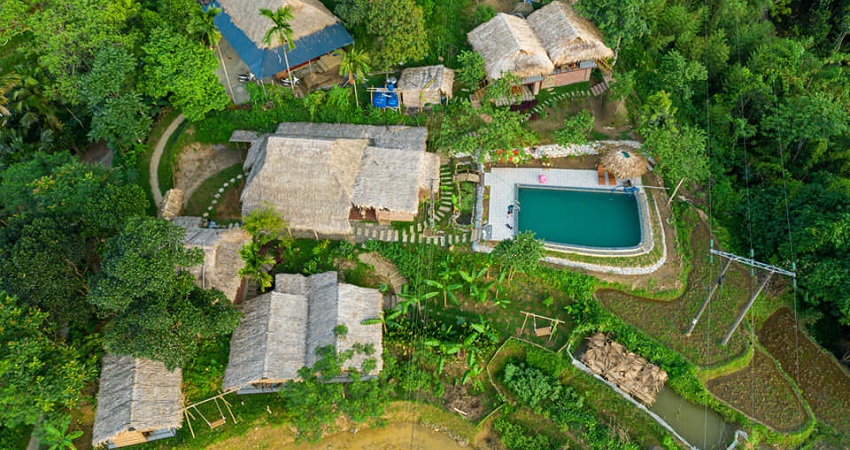
Why Visit Ha Giang? Top 5 Highlights
-
Conquer the legendary Ma Pi Leng Pass in Dong Van Karst Plateau Geopark
-
Step into the world of ethnic minorities living in traditional mountain villages
-
Stand at Vietnam’s northernmost point at Lung Cu Flag Tower
-
Dive into the vibrant chaos of weekly mountain markets
-
Admire the spellbinding rice terraces of Hoang Su Phi during harvest season
What You’ll Find in This Ha Giang Travel Guide:
-
Essential Travel Info
-
When to Visit
-
Top 10 Things to Do
-
Accommodation Guide
-
What to Eat and Drink
-
Transportation Tips
-
Sample 3-Day Itinerary
-
Extra Travel Tips
-
Book Your Ha Giang Adventure.
.
Essential Travel Information
Suggested Duration
A full Ha Giang Loop requires at least 3 days and 2 nights. To truly appreciate the region, 4–5 days is recommended.
Money & ATMs
ATMs are available in Ha Giang City, Dong Van, and Meo Vac. Remote areas are cash-only—bring enough Vietnamese dong.
Best Time to Visit Ha Giang
Ha Giang’s dramatic landscape offers different charms throughout the year:
-
April to October (Warm Season): Lush landscapes and green rice fields, but watch out for heavy rainfall in July–August.
-
November to March (Cool & Dry): Clear skies and epic views, especially during buckwheat flower season in November. Winter (Dec–Jan) can get chilly—bring warm clothes.
Top 10 Best Things to Do in Ha Giang
1. Embark on the Ha Giang Loop
The definitive experience. This epic road trip takes you across Vietnam’s most dramatic scenery, linking towns like Dong Van, Meo Vac, and Du Gia through spectacular mountain routes. Go solo, hire a motorbike driver, or ride in a car—each version offers its own thrill.
Pro Tip: Opt for an Easyrider motorbike tour for maximum immersion and safety.
2. Drive Vietnam’s Most Scenic Mountain Passes
Highlights include:
-
Quan Ba Heaven Gate: Gateway to the Highlands, overlooking the fairy-like Twin Mountains.
-
Tham Ma Pass: Famous for its serpentine curves through lush valleys.
-
Ma Pi Leng Pass: The crown jewel, offering jaw-dropping views over the Nho Que River canyon.
3. Discover Hoang Su Phi’s Towering Rice Terraces
Still largely untouched by mass tourism, Hoang Su Phi is a paradise for trekkers and photographers. The layered rice fields here rival those in Sapa, and the surrounding minority villages feel worlds apart from the beaten path.
4. Visit Weekly Ethnic Markets
From Meo Vac to Dong Van, these markets are more than places to shop—they’re social hubs where tribes like the H’mong, Tay, Dao, and Lo Lo come together. Expect bright costumes, trading livestock, home-brewed corn wine, and vivid cultural encounters.
5. Experience Life in Minority Villages
Wander through authentic villages like Thon Tha, Lung Cam, or Lo Lo Chai, where traditional houses, handwoven textiles, and farm life give you a window into ancient traditions still alive today.
6. Go Trekking Through Hidden Trails
Beyond the roads, Ha Giang offers epic hiking routes. Trek through the highlands of Hoang Su Phi or climb limestone ridges near Dong Van. Guided treks are recommended for deeper cultural access and safe navigation.
7. Step Back in Time at Historic Sites
-
H’mong King’s Palace: A grand fortress that once housed regional royalty.
-
Dong Van Old Quarter: French colonial architecture mingles with northern Vietnamese heritage.
-
Pao’s House in Sung La: A preserved H’mong home featured in Vietnamese cinema.
8. Reach the Lung Cu Flag Tower
Standing tall over Vietnam’s northern border, the Lung Cu Tower is more than a monument—it’s a patriotic symbol. The surrounding highlands offer serene hikes and panoramic views into China’s Yunnan Province.
9. Stay in a Local Homestay
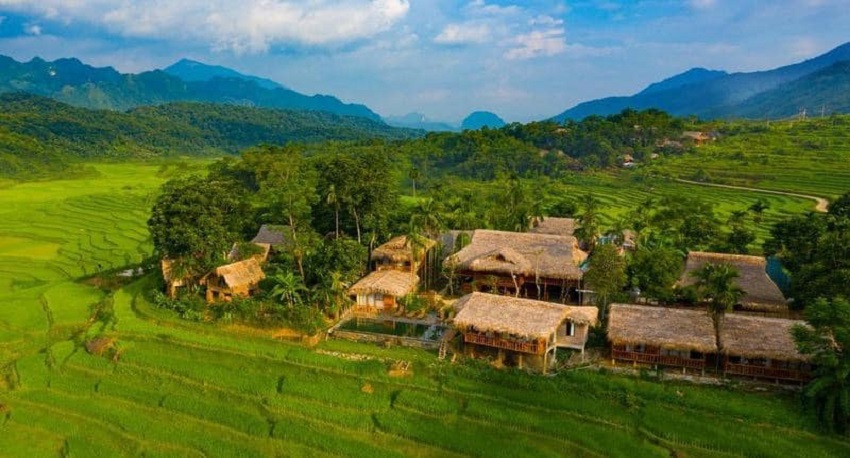
Live like a local with an overnight stay in a traditional wooden or stilt house. Most host families serve homemade meals and rice wine, and welcome you to join their daily routines. It’s the heart of slow travel.
10. Unwind in Du Gia Village
Tucked in a green valley, Du Gia is a peaceful spot perfect for relaxing after completing the loop. Swim in nearby waterfalls, walk through rice paddies, or simply enjoy the laid-back vibe of this village retreat.
Best Places to Stay in Ha Giang
Ha Giang City: QT Guest House, Kiki’s House, Ha Giang Amazing Hostel
Dong Van: Green Karst Hostel & Bar, Lam Tung Hotel
Meo Vac: Little Yen’s Homestay, Ong Vang Meo Vac Hotel
Yen Minh & Du Gia: Bong Bang Homestay, Du Gia Homestay Eco
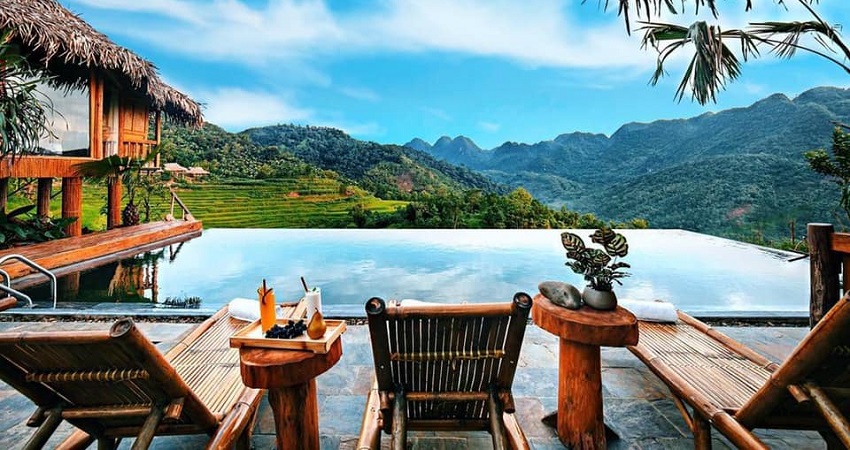
Most accommodations are modest but cozy, often family-run and rich in hospitality.
Food & Drink in Ha Giang
Expect hearty mountain cuisine with simple yet flavorful ingredients. Try:
-
“Thang Co” (H’mong-style stew)
-
Sticky rice in bamboo tubes
-
Smoked buffalo meat
-
Fresh herbs and wild vegetables
-
Rice wine—drink with caution!
Meals at homestays are usually the most authentic and communal.
How to Get to Ha Giang
From Hanoi: Ha Giang Express Bus
-
Limousine Vans & VIP Buses: 6–7 hours
-
Sleeper Buses form Hanoi to Ha Giang: Night departures available
-
Private Car from Hanoi to Ha Giang: Convenient for groups or families
From Sapa:
-
Direct buses take 5–7 hours.
Note: There’s no airport or railway station—Ha Giang is road access only.
Getting Around Ha Giang
-
Motorbike (Self-drive or Easyrider): The best way to feel connected to the scenery.
-
Car with Driver: Great for families or those wanting a safer, more comfortable journey.
-
Trekking on Foot: In select areas like Hoang Su Phi and Dong Van.
Suggested 3-Day Ha Giang Loop Itinerary
Day 1: Ha Giang → Quan Ba → Tham Ma Pass → H’mong King Palace → Overnight in Dong Van
Day 2: Dong Van → Lung Cu → Ma Pi Leng Pass → Meo Vac → Overnight in Meo Vac
Day 3: Meo Vac → Mau Due → Du Gia → Return to Ha Giang
Extra Travel Tips
-
Combine with Cao Bang to see Ban Gioc Waterfall.
-
Pair with Sapa for a northern Vietnam nature circuit.
-
Travel light: Pack layers for unpredictable mountain weather.
-
Prepare for limited English: Use translation apps or hire local guides.
Book Your Ha Giang tour trekking
Looking for a seamless experience? Choose a Ha Giang Loop tour with options for motorbike or car, and the flexibility to start in Hanoi or Ha Giang City. Local guides enrich your journey with stories, shortcuts, and warm hospitality.
Ha Giang isn’t for everyone—it’s for adventurers, dreamers, and those who crave authenticity over convenience. If that sounds like you, it may just be your favorite place in Vietnam.